


Special Events
-
OCT 13
-
OCT 13
-
NOV 10
-
NOV 10
-
DEC 08
-
DEC 08





The following guidelines should be used for food establishments that are cooking food products in an outdoor setting adjacent to an approved food establishment, and then serving the food either inside or outside the facility.

Guidelines
The following guidelines adequately meet the conditions of the State Food Service Sanitation Requirements 410 IAC 7-26 - Opens in New Window
- Food preparation shall take place inside an approved and permitted food service establishment on the same site as the grill
- Grills shall be secured when not in use
- Grills shall be reasonably vector proof
- Grease and food droppings shall be collected and properly disposed
- Proper lighting shall be present if grill is used at night
- Approved hand washing facilities shall be convenient, easily accessible, and within 25 feet of the outdoor grill
- Food shall be transported to and from the grill in a covered container
- Grill shall be placed on a pad or other impervious surface, such as concrete or asphalt
- A thermometer shall be available adjacent to the outdoor grill for proper temperature maintenance during food cooking and storage
- Grill areas shall be maintained in a neat and sanitary manner
- Food shall not be served from immediate grill area, but from food prep area inside establishment
- Grill design shall be approved by NSF or local health department. See grill design guidelines below
Grill Design Guidelines
Grills should have the following:
- Removable racks / shelves
- Do not use 55 gallon drums
- Securable
- Easily cleanable
- Have effective heat source
- Can effectively maintain proper temperatures
- Grill shall reach safe cooking temperatures within one (1) hour
- Grill shall have adequate ventilation to remove smoke and fumes safely
- Minimal risk of outdoor fire
Additional Information
- Click here for the US FDA Outdoor Food Safety Tips - Opens in New Window
Photo Attribution: By Carlos Lopez from hermosillo, Mexico - gamenight, CC BY 2.0, https://commons.wikimedia.org/w/index.php?curid=10366608
Ordinance Information
Tattoos & Piercing Applications
Additional Information
Please call our office at 812-282-7521 for information.
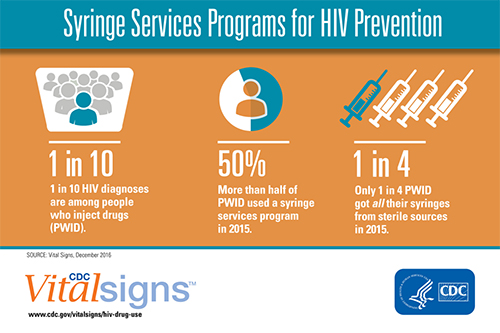
Persons who inject drugs can substantially reduce their risk of getting and transmitting HIV, viral hepatitis and other blood borne infections by using a sterile needle and syringe for every injection.
Syringe Services Program Hours:
- Wednesday 1:00pm - 3:00pm
Syringe Services Program location:
Maple Street Baptist Church
403 W Maple Street
Jeffersonville IN 47130
Services Supported by:
Substance Use Outreach Services:
- Confidential HIV Testing
- Needle Exchange Program
- STD Screenings
- Hepatitis B & C Screenings
- HIV/STD Education Material
- Community Health Fairs
- Free community-wide monthly CPR and Narcan administration trainings
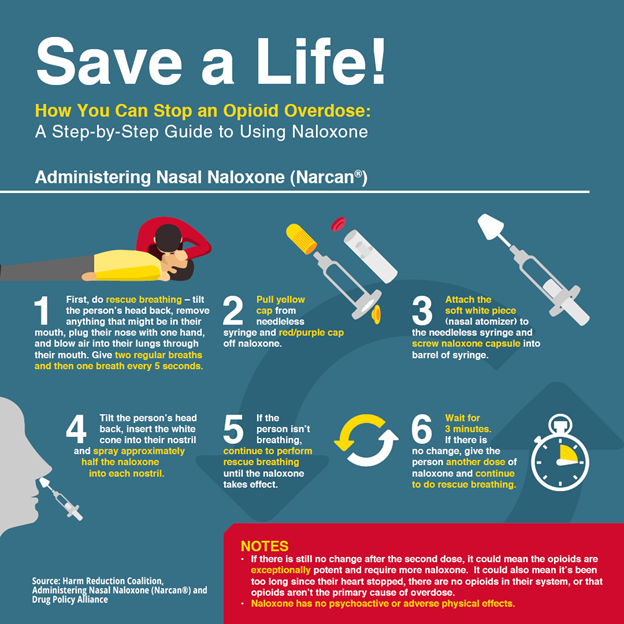
- Providing community partners with lifesaving Narcan
Opioid Overdose Prevention
The Clark County Health Department has seen a rise in the number of opioid overdoses throughout the county over the past three years. We are diligently working to provide the proper training and resources to the community to help combat this issue. With monthly CPR and Narcan administration trainings and providing our community partners with lifesaving Narcan, we hope to reduce the amount of opioid related deaths.
Our Narcan trainings include an informative video on how to administer Narcan to someone experiencing an opioid related overdose, informational resources on opioid overdose prevention, and everyone who completes the Narcan training is eligible for a free dose of lifesaving Narcan (while supplies last). Our trainings are held the second Tuesday of each month, sign up for your training today on EventBrite.com
Recovery Centers
Click here to view the Clark County Indiana Recovery Centers

Public Health Emergency Preparedness Mission
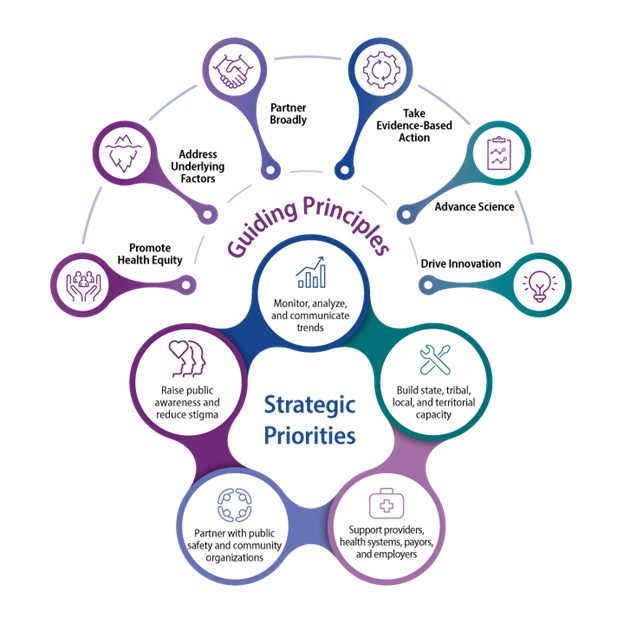
To mitigate the loss of life, Clark County Health Department Emergency Preparedness assists Public Health entities, Healthcare Providers, and Clark County residents to respond to and recover from all hazard incidents by identifying, developing, refining, and executing plans in a timely manner.
Public Health Emergency Preparedness Vision
Every Clark County resident protected from and educated regarding all hazards incidents whether natural or manmade.
Public Health Emergency Preparedness (PHEP)
The Public Health Emergency Preparedness (PHEP) cooperative agreement from the Centers for Disease Control and Prevention (CDC) is administered to the 93 local health departments throughout Indiana. The CDC PHEP program has developed 15 Public Health Preparedness Capabilities that are used to assist state and local public health partners in identifying gaps in preparedness, determining the specific jurisdictional priorities, and developing plans for building and sustaining capabilities.
Click here to view the Public Health Preparedness Capabilities Standards
Additionally, the PHEP Cities Readiness Initiative (CRI) program is administered to local health departments within the four Indiana Metropolitan Statistical Area (MSA) – Chicago, Cincinnati, Indianapolis, and Louisville. As part of the CRI program, the CDC's Operational Readiness Review (ORR) is conducted throughout each local CRI jurisdiction. The ORR is designed to measure public health preparedness for Medical Countermeasure (MCM) events.
Operations
Clark County PHEP is responsible for emergency planning, emergency operations, medical countermeasures, public health volunteers, and preparedness analysis. Operations consists of the following areas:
Emergency Planning
Emergency planning consists of the development and maintenance of preparedness and response plans, as well as recovery and continuity planning. Other emergency planning activities consist of leading the development of public health and medical emergency plans for the county, working closely with the Indiana Department of Homeland Security and other public health and medical partner agencies. Other planning activities include supporting local public health and healthcare planning in conjunction with the District and Local Readiness section.
Emergency Operations
Emergency Operations consists of serving as the Emergency Support Function 8 - Public Health and Medical Services (ESF-8) coordinator in the Clark County Emergency Operations Center (EOC) during disasters and county emergencies. The ESF-8 coordinator works with the fourteen other county essential support functions (transportation, communications, firefighting, information and planning, mass care, logistics management and resource support, search and rescue, hazardous materials response, agriculture and natural resources, energy, public safety and security, long term recovery, as well as, external affairs) during an emergency to facilitate communications and resource assistance.
Medical Countermeasures
In conjunction with the CDC's Division of Strategic National Stockpile (DSNS), CCHD collaborates with public health partners, healthcare coalitions, Indiana State Department of Health to prepare for the receipt of pharmaceuticals, countermeasures, personal protective equipment, medical supplies, and other related items in response to disasters and emergencies.
Emergency Volunteer Registry and Clark County MRC
 The State Emergency Registry of Volunteers for Indiana (SERV-IN) is a statewide, electronic registration system of public health, medical, and non-medical volunteers who desire to assist during an event or disaster. By registering with SERV-IN, volunteers’ identities and credentials are verified in advance of an emergency situation. For every one medical personnel, four non-medical personnel are needed. Please consider volunteering!
Click here to register for SERV-IN
Clark County has an established Medical Reserve Corp (MRC) that works closely with the Health and Human Services Medical Reserve Corp in administration of the program. By signing up in SERV-IN and choosing Clark County MRC you will be registered as a volunteer should a public health emergency occur. As a volunteer with Clark County MRC you give as little, or as much, time as you so desire. Should a call for help be issued and you are available, great. If you are not available, no harm, no foul…we’ll try you again next time. Thank you for considering this volunteer opportunity!
Resources & Evaluation
Preparedness Analysis
Preparedness analysis consists of the development and completion of jurisdictional risk assessments. These risk assessments are completed in conjunction with the Indiana Department of Homeland Security, local public health, healthcare coalitions, and healthcare partners. Jurisdictional risk assessments are based on the Federal Emergency Management Agency (FEMA) Threat and Hazard Identification and Risk Assessments (THIRA) principles and Hazard and Vulnerability Assessments (HVA) from various models. Additionally, as Operational Readiness Reviews (ORR) are submitted by local health departments in conjunction with the District and Local Readiness section, each ORR is analyzed and reviewed.
Training
Public health and medical training is coordinated throughout the state, additionally providing support and guidance for local public health agencies, healthcare coalitions, and healthcare partners. Through a collaboration with state and federal partners, training needs are continuously assessed, developing new or identifying existing courses, providing support with requesting training courses, and coordinating delivery of a variety of training opportunities.
Exercise
Exercise design consists of developing and implementing exercises, providing support and guidance for the Clark County Health Department, healthcare coalitions, and healthcare partners. CCHD follows the Federal Emergency Management Agency (FEMA) Homeland Security Exercise and Evaluation Program (HSEEP) standards and guidelines for all trainings and exercises. Additionally, CCHD participates in the District 9 Healthcare Coalition Training and Exercise Planning Workshops(TEPW) hosted annually.
Logistics
Logistics consists of maintaining operational status, maintenance, and inventory of the Clark County Health Department Emergency Preparedness assets. In a disaster or countywide emergency, CCHD possesses emergency resources such as communication assets, emergency response trailers, supplies, and other items. The emergency response trailers consist of (3) previously identified Point of Dispensing site (PODs) supply trailers and the Mobile Medical Clinic trailer. CCHD also has a rapid inflatable shelter to serve as an Incident Command Post, Alternate Care Site, Triage Facility or the like.
Communications
The Clark County Health Department maintains a variety of communications assets utilized in daily operations as well as during emergencies. Communications assets include 800 MHz radios, as well as, hand to hand communication devices. Other communication systems include electronic platforms and mass notification systems. All communication systems are tested frequently and statewide emergency communications planning is conducted with the Integrated Public Safety Commission and the Indiana Department of Homeland Security.
Public Health Emergency Preparedness Coordinator
Jo Polk
Emergency Preparedness Planning Coordinator
812.282.7521 x 209
The Clark County Health Department is invested in the health of the community. As a service to the citizens of Clark County, this webpage is dedicated to helping each member of the community to become more fit so that we can all enjoy longer and healthier lives.
Lifespring Health Systems
Please Note: Lifespring Health Systems is not an agency of the Clark County Health Department.
LifeSpring’s mission is “to improve and sustain the quality of life in our communities by providing comprehensive behavioral health, addiction, primary care and related services.” Our values are, “It is our privilege to serve, with the highest quality of care, in a professional and fiscally responsible manner.”
Click here for more information on Lifespring Health Systems
Community Paramedicine Program
Our Community Paramedicine Program aims to help patients manage chronic conditions from their homes, minimizing hospitalizations and urgent care visits, and providing resources and treatment.

Community Paramedicine – Mobile Health
Program provided by the Clark County Health Department Public Health division.
Our Goal
To assist patients by providing resources and treatment in order to minimize hospitalizations and urgent care visits. We help individuals manage chronic conditions from the comfort of home.
Services Provided
Chronic Conditions and Screenings
- Diabetes
- Cardiac issues
- Pulmonary issues
- Behavioral health patients
- Fall risk assessments
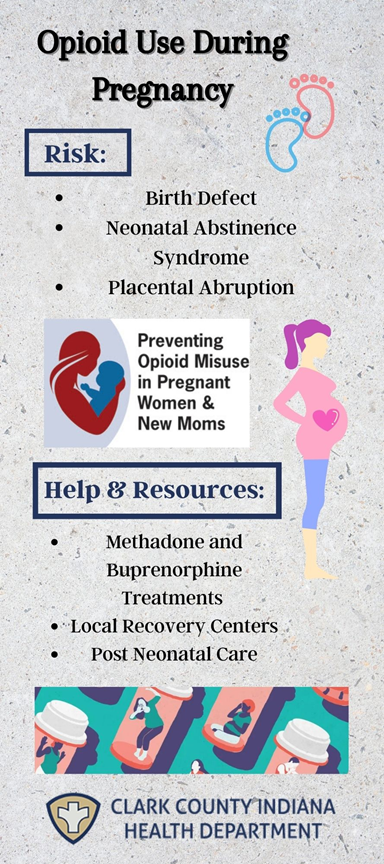
- Substance use disorder support and harm reduction
- Pre- and postnatal care
- Safe sleep education
- Vaccinations
- Medication review and follow-up appointments
- Minor wound care
- Liaison services between patients and healthcare providers
Contact Information
Phone: 812-282-7521 tel:8122827521 (Extension 232)
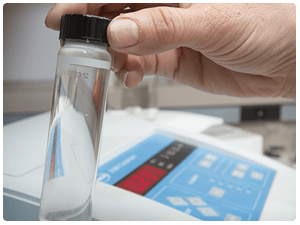 This webpage is dedicated to answering questions about private water wells in Clark County, Indiana. Here you will find information and links that will answer questions about abandonment of wells, plugging of abandoned wells, well water disinfection and recommended standards for private water wells.
Recommended Standards for Private Water Wells
Safe, potable ground water is one of our most precious natural resources. It can be contaminated and made dangerous, even totally useless for drinking, by improper well drilling and pump installation practices.
To guide homeowners and well drillers in the construction of safe, usable wells, the Indiana State Department of Health - opens in new window offers standards for construction of wells and installation of pumps and appurtenances. Whenever a well is opened for repair, the work and materials used should also comply with these standards.
Dewatering wells, irrigation wells, heating and cooling supply and return wells, temporary service wells, construction water wells, process wells, and other structures for withdrawing ground water or lowering of a water table, regardless of location, length of intended service, or original use or intent, should be constructed in accordance with these standards. Where possible, existing wells and water systems should be upgraded to meet these standards. Take a look at the Indiana State Department of Health
Recommended Standards for Private Water Wells - opens in new window
Disinfection of Wells and Water Sources
The Indiana State Department of Health has established guidelines for testing and disinfecting of wells.
Click here to download the Private Water Well Testing Pamphlet - opens in new window
Abandonment of Wells
The Indiana Department of Natural Resources has rules and regulations regarding the drilling and abandonment of existing wells.
Click here for more information Water Availability/Rights - opens in new window
Image Attribution: By U.S. Department of Agriculture Lance Cheung/Photographer/USDA photo by Lance Cheung - 20150409-RD-LSC-0080, Public Domain, https://commons.wikimedia.org/w/index.php?curid=64976496