


 Mold is found all in all parts of our lives. Most molds are not hazardous to healthy people. However, too much exposure to certain molds may cause or worsen conditions such as asthma, hay fever, and allergies. It is important to remember that these symptoms may not be caused by mold in the home, but possibly by another underlying health condition. The health department encourages individuals experiencing respiratory or physical ailments to contact their physician to determine if mold or other health issues may be the underlying cause of your family members symptoms.
Currently, there are no EPA, State, or local regulations or standards for airborne mold contaminants. However, there are standards regarding plumbing, drainage, and other defects that may be causing mold in the home. To learn more about mold visit the Environmental Protection Agency Mold and Moisture webpage - opens in new window.
What to do for a mold problem
The best way to treat mold is to correct the underlying cause of the mold, so that the mold does not return. Typically, mold grows in moist environments, and is often caused by water damage, leaking plumbing, poor ventilation, condensation, high humidity, etc. If you suspect that you have excess moisture or mold in your home or apartment visit the EPA's "A Brief Guide to Mold, Moisture, and Your Home - opens in new window" for information about how to identify, remove, and correct conditions that may be causing mold in your home, apartment, or business.
Indoor Air Quality Testing
You may also download and print our list of indoor air quality testing companies for Southern Indiana - opens in new window. This list is provided as a public service, however, the Clark County Health Department does not in anyway endorse or recommend any company or any service provided by any company. In addition, testing can be cost prohibitive and focusing resources on removing mold and correcting their causes could be a better investment.
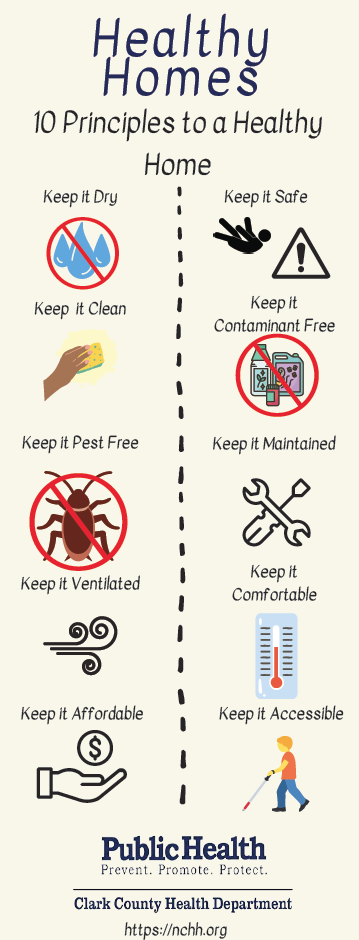
Healthy Housing
Have a plan: Home fire safety
- Use this flyer to chart your smoke detectors & fire escape plans - Opens in new window
Mercury Containing Items and Mercury Spill Cleanup
-
Learn more about Mercury spills in the home - Opens in new window
Additional Information
All documents open in new windows
- Indiana State Department of Health Indoor Air Quality
- Centers for Disease Control Mold Facts
- Home Injury Prevention
- Healthy Homes Checklist
Bed Bugs
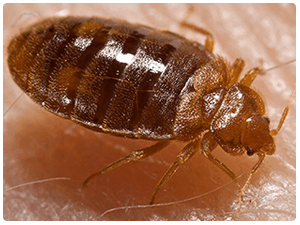 Bed bugs, Cimex lectularius, reddish-brown, oval-shaped, flattened insects that are about 1/4 inch long. Nymphs (immature bed bugs) resemble the adult bugs but are often smaller and lighter in color. Bed bugs usually feed on the blood of humans during the night-time hours and crawl away to hide in nearby cracks, crevices and recesses of furniture (especially mattresses) and walls of the home during the day. Most people experience itching, pain and/or swelling of the skin where a bed bug bite occurs (such as the arms,face or back) within 1 day of a bite. Although the bites can cause considerable discomfort and loss of sleep, bed bugs do not transmit disease after feeding on multiple hosts.Bed Bug Guide
Click here for more information about Bed Bugs - opens in new window
Image Attribution: By Content Providers(s): CDC/ Harvard University, Dr. Gary Alpert; Dr. Harold Harlan; Richard Pollack. Photo Credit: Piotr Naskrecki - http://phil.cdc.gov/phil/details.asp?pid=9822, Public Domain, https://commons.wikimedia.org/w/index.php?curid=2119254
Prepare Your Home for Bed Bug Treatments
Click here for tips for preparing your home for service treatments - opens in new window